The Boreout Epidemic: How to Fix Workplace Disengagement

Have you ever observed someone at work who seems totally checked out despite always being "busy"? Or you have experienced that numbing sensation yourself, sitting at your desk and gazing at your screen, wondering why a "good job" suddenly feels like a cage.
Introducing boreout, the quiet, sometimes disregarded sibling of burnout.
The main cause of boreout is under-stimulation, as opposed to burnout, which is brought on by stress and excessive work. Workers in this state, sometimes for months or even years, are under-challenged, uninspired, and mentally disengaged. Furthermore, it's much more prevalent than you might imagine.
According to some studies, up to one in three office workers may, at some point in their careers, exhibit signs of boreout.
The challenging aspect? Both the manager attempting to maintain team productivity and the employee quietly suffering are impacted by burnout. As an HR manager, team lead, or even just an interested professional, let's examine boreout, its causes, and—above all—what you can do to prevent it.
What Is Boreout? (And Why You Should Care)
Fundamentally, boreout occurs when a person's work doesn't challenge their intellect or drive. Work seems tedious, uninteresting, or meaningless. Additionally, motivation declines, creativity wanes, and overall productivity plummets when the mind isn't working.
What's ironic, you ask? Laziness isn't the point of boreout. The opposite is frequently true: highly qualified workers are trapped in positions that aren't a good fit for them. Psychologists explain it by pointing to a basic human truth: everyone yearns for achievement, challenge, and meaning in life.

If you ignore that for too long, the boredom will turn into a full-blown epidemic of disengagement. Among the warning indicators are:
-
Despite having a heavy workload, I feel mentally "checked out."
-
Even though tasks seem "easy," I dread workdays.
-
Distractions take up more time than real work.
-
Imagine leaving, even if the position appears to be objectively good.
Ghostworking, performative busyness, and other deceptive tactics are among the more subtle ways managers may experience boreout (more on that later).
The Psychological Viewpoint on the Causes of Boreout
People are, in fact, hardwired for growth and challenges. When those needs are not met by their work, employees feel as though they are in a state of mental limbo. A number of conventional causes:
Overqualification
Those who are overqualified are among the least engaged workers. They have training, expertise, or degrees that go well beyond their current position. They may have relocated to a different city, changed industries, or quickly taken a job in a difficult market. The mismatch, for whatever reason, leads to long-term boredom.
Absence of Purposeful Activities
Having "too little to do" is not the only problem. A long to-do list also feels pointless if the tasks are not interesting or meaningful. For example, spending a whole day sending repetitive emails or filling out spreadsheets can be drained. Even though these tasks are productive, they can take a toll on the mind.
Lack of Career Development or Purpose
Workers want to see how their efforts are making a difference. Stasis occurs when they don't feel they are contributing to the company's objectives or when there aren't many opportunities for skill development and promotion. The employee eventually loses interest, not because they are lazy, but because they have nothing to invest in.
Typical Signs: How to Identify Employee Boredom
The "split-focus" approach is useful in this situation. Boreout affects both the manager and the victim. Disengagement may be difficult for managers to spot and may be attempted to conceal employees. Early detection of the signs is crucial.
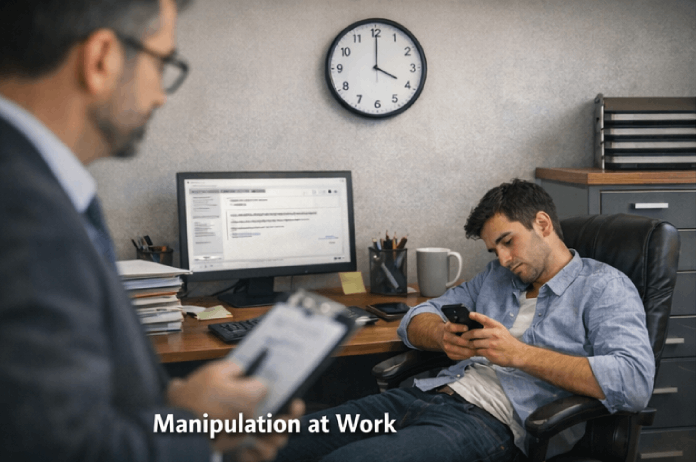
Manipulation at Work
Employees may stretch tasks to appear busy or finish them quickly and delay delivery. Both are coping mechanisms to avoid extra work while staying under the radar.
"Manipulation" at work means that employees intentionally lower their output to avoid becoming overwhelmed. It is a hidden strategy that results in extended deadlines and work that appears to be only minimally completed.
Performative Performance
Performative busyness occurs when workers act as if they are overwhelmed or stressed. To appear busy, create fake tasks, set up unnecessary meetings, or take work home. They use this strategy to protect themselves; they want to avoid criticism without leaving the job.

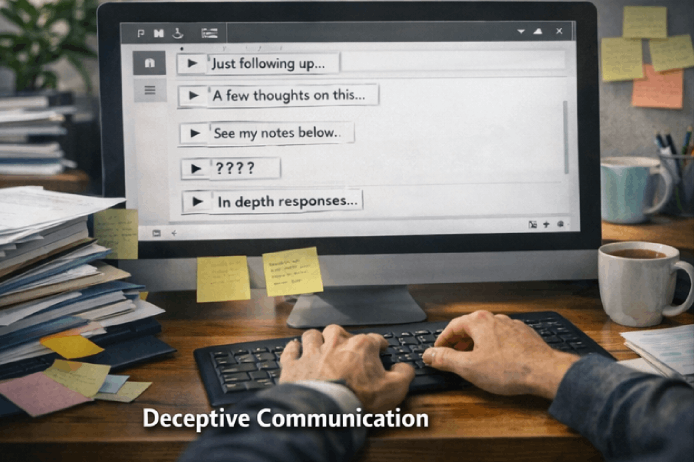
Deceptive Communication
Another type of boreout is emails that are overflowing with comments, questions, or "updates." What is it? Make an effort to be involved and active, even if you are only making a small contribution. It's the opposite of engagement, which managers frequently misinterpret.
Chronic Workplace Boredom
Other, more obvious signs include:
-
Consistently low energy or enthusiasm
-
Avoiding new responsibilities
-
Frequent daydreaming or distraction
-
Resisting collaboration or innovation
For employees reading this: if these symptoms sound familiar, know that you’re not “lazy” or failing. Boreout is a structural problem, one that often has little to do with your effort or dedication.

Why Managers Should Care?
Disengaged workers affect team morale, corporate culture, and even customer relations in addition to being a productivity issue. Task manipulation and ghostworking may have unintended consequences, including having other team members take on more work, missing deadlines, and reducing creativity.
From a management standpoint, the difficulty lies in striking a balance between responsibility and empathy. Skilled employees shouldn't be let go because they're bored. Rather, the objective is re-engagement, which involves figuring out how to make the work interesting, demanding, and fulfilling once more.
How to Fix Boreout: Actionable Strategies?
1. Match Tasks with Skills and Interests
The process of job crafting begins here. Workers should be given assignments that build on their strengths, tap their creativity, and foster personal development. Making minor adjustments, such as giving people access to training, changing their jobs, or assigning new tasks, can have a significant impact.
2. Use time-tracking effectively
Micromanagement is not the goal of time-tracking. Without pointing fingers, managers can identify trends of underutilization and disengagement with tools like StaffViz. You can identify where workers are under-challenged or stuck and then adjust workloads accordingly.
3. Promote an Inspiring, Helpful Culture
Tasks aren't always an issue; sometimes the surroundings are. Employee engagement is maintained by social interaction, teamwork, and acknowledgment. Weekly check-ins, acknowledging minor accomplishments, and promoting peer-to-peer feedback are all easy ways to make employees feel appreciated and less "stuck."
4. Swap out and Test Roles
Provide exceptional employees with the chance to explore various aspects of the organization. Interest and participation can be renewed through unique projects, cross-training, or short rotations. Consider it as cognitive training that maintains emotional enthusiasm and mental adaptability.
5. Deal with Deception Techniques Openly
Treat ghostworking and performative busyness with caution. One way to find out why an employee is disengaged is through open discussions, data-driven performance reviews, and cooperative problem-solving. Lack of challenge or recognition, rather than attitude, is frequently the root cause.
Remote Teams' Boreout: A Unique Challenge
Particularly vulnerable are remote workers. Boredom can worsen if there are no informal office interactions or immediate feedback. It is important for managers to prioritize:
-
Frequent check-ins (not only for tasks)
-
Promoting professional development and skill improvement
-
Promoting social interactions online
Employees can benefit from actively seeking variety by setting personal learning objectives, seeking mentorship, or rotating tasks. Even minor adjustments can break the monotony.

Why Addressing Boreout Matters?
Boreout is dangerous if ignored. Metrics of engagement decline, morale falters, and productivity fall. HR and leadership are more concerned with retaining talent, fostering growth, and creating a resilient, driven workforce than they are with preventing lost output.
Employees feel liberated when they realize they are bored. It confirms that being "stuck" is a mismatch between your circumstances and your capabilities rather than a sign of laziness. You can take action to recover your curiosity, purpose, and energy at work once you've been identified.
For general professionals or career coaches, too. As a precursor to the idea that traditional engagement metrics are insufficient, boreout is the next big thing in workplace wellness.
Frequently Asked Questions
How is burnout different from boreout?
Burnout happens because of exhaustion, too much work, and ongoing stress. In contrast, boreout comes from feeling bored, not being challenged, or lacking meaningful tasks. Both burnout and boreout reduce engagement, but they have different causes.
Can teams working remotely experience boreout?
Indeed. The risk of chronic boredom and disengagement is increased for remote workers who may feel alone, understimulated, and disengaged from the objectives of the organization.
Can time-tracking devices improve involvement?
Yes. By giving managers insight into task patterns, tools such as StaffViz enable them to spot disengagement and make proactive adjustments to workloads or responsibilities.
Effectively Manage Remote and Hybrid Teams with StaffViz
Enhance team efficiency and collaboration with StaffViz, the ultimate tool for managing remote and hybrid teams.
Talk To Us

Table of Content
- What Is Boreout? (And Why You Should Care)
- The Psychological Viewpoint on the Causes of Boreout
- Lack of Career Development or Purpose
- Typical Signs: How to Identify Employee Boredom
- Why Managers Should Care?
- How to Fix Boreout: Actionable Strategies?
- Remote Teams' Boreout: A Unique Challenge
- Why Addressing Boreout Matters?
- Frequently Asked Questions